

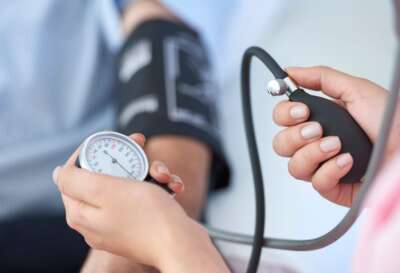
Hypertension, also known as high blood pressure, occurs when the pressure in a person’s blood vessels is too high. At rest, a pressure cuff reading higher than 140 mmHg systolic or 90 mmHg diastolic two days in a row qualifies as hypertension.
Current World Health Organization statistics show that hypertension affects 1.28 billion adults aged 30-79, 46% of those who have hypertension are not aware that they have it and only 1 in 5 adults with hypertension have it controlled. The consequences of leaving this condition untreated can be serious, including heart attacks (myocardial infarctions), heart failure (an exhausted heart), strokes (brain bleeding) or kidney failure. Common symptoms of hypertension may include severe headaches, chest pain, dizziness, difficulty breathing, nausea or vomiting, blurred vision or other vision changes, confusion, tinnitus, nosebleeds or abnormal heart rhythms. This is not to say that these symptoms are exclusive to hypertension, but should you experience them, it is worth checking your blood pressure, just to be safe.
For decades, hypertension has been explained by Western medicine as a problem of “clogged pipes” being caused by too much cholesterol building up in the arteries. But this model is incomplete and outdated. A growing body of research shows that something much more sinister is at play, chronic inflammation.
Recent Western medical insights emphasize that hypertension is not just about cholesterol. In fact, it’s about the body’s immune system going rogue, where inflammation damages the inner lining of the blood vessels and accelerates plaque formation. Even more striking, people with “normal” cholesterol can still suffer from hypertension, heart attacks and strokes when this inflammatory process is active beneath the surface.
There is actually a sequence to all of this and it is very powerful. First, there is endothelial irritation from stress, toxins and a poor diet. Then the immune system is activated, leading to inflammation. Next, cholesterol enters the damaged vessels to try and repair them, leading to the formation of unstable plaque and hypertension. And in worst case scenarios, the plaque ruptures causing a heart attack or stroke.
Inflammation is not a side effect. It is the fuel that drives the entire process. And there are markers that most doctors still don’t test for, which can help someone prevent or reverse hypertension. Markers like CRP (C-Reactive Protein), homocysteine and Lipoprotein(a) are incredibly important and if your doctor isn’t testing them and you are experiencing hypertension, then pieces of the puzzle are being missed.
CRP measures vascular inflammation and elevated levels generally correlate with plaque instability and an increased risk for heart attacks. Homocysteine is an amino acid lined to endothelial damage, promoting clot formation and inflammation. Elevated homocysteine levels can independently increase cardiovascular risks of all kinds. Lastly, Lipoprotein(a) is a genetic risk factor that promotes clotting and arterial inflammation. This component is difficult to modify naturally and may help explain why some families have higher risks of cardiovascular issues than others. When these markers rise together, the risk of hypertension, heart attacks and strokes also increases exponentially.
From an East Asian Medicine (EAM) view, hypertension is attributed to one of three possible causes: Liver qi stagnation, blood heat / heart heat or Spleen dampness. Let’s break all three possibilities down.
1. Liver Qi Stagnation
Imagine a muscular tube, like a blood vessel, through which blood flows. Now, squeeze it from the outside all along its length and imagine the actual space inside decreasing while the volume of blood remains the same. A cramped space encourages more stagnation or sluggishness of the blood which presses against the sides and less moving of the blood forward.
This constant “tug-of-war” can also disrupt the interior lining of the vessel. The body will use slippery cholesterol to patch over the crack in order to reestablish an aerodynamic flow. However, layer after layer of patching material will decrease the interior space, thus increasing blood pressure. This risky condition is known as atherosclerosis.
Another factor, chronic fear, also known as worry, anxiety, dread, guilt and a hundred other synonyms, will cause a continuous and unhealthy fight-or-flight response. Muscles, including muscular organs and blood vessels, remain contracted in readiness for action, but that action never takes place because the perceived threat is a false one. When thoughts get stagnated in the imaginary past or future, blood pressure rises.
2. Blood Heat
Blood heat is also known by another name, heart heat. Imagine a healthy blood vessel. Now add heat to the blood. Pressure and heat have a direct relationship because heat expands. As the heat increases, the molecules of blood go crazy, pounding in every direction, including against the insides of the vessel. And up goes the pressure.
Blood heat can originate from a number of different causes.
Excessive movement or excessive speed causes unnecessary friction. Overwork, sleep deprivation, multi-tasking and living in the fast lane are common causes of excessive movement.
Stagnation of liver blood can cause excessive friction. Imagine a blood flow that is blocked by a wall. The frustrated blood will grind and grind, trying to get through or go around. (Make a tight fist for 15 seconds, then open your hand. You’ll feel the heat and see the reddish palm.)
Food stagnation in the gut ferments and will likely develop into heat, which rises and expands into any tissue, organ and even the blood.
Smoking introduces hot gases into the body and sometimes the blood. And stimulants such as energy drinks, cocaine or caffeine will increase the business of the blood and add heat to it.
3. Spleen Dampness
A damp spleen is synonymous with excess body fat, spleen qi deficiency and weak or no hunger. Imagine a healthy blood vessel. Increase the amount of fluid in the vessel. Again, we have a cramped space. The extra molecules will press against the insides of the vessel in an attempt to make room or escape, thus raising the pressure. In addition, crowding of the body’s interior with excess material will press against the outer walls of blood vessels, decreasing space inside and increasing the blood pressure.
Spleen dampness can be caused by an improper diet (raw, cold, greasy or dairy-heavy) or weakened spleen qi brought on by overthinking, stress or chronic illness. Both of these issues can prevent the body from processing fluids efficiently, which can cause hypertension.
Regardless of the cause of hypertension, there are some things everyone can do to help control it. Eating a mostly whole food, plant heavy diet is always a good recommendation. Fruits, vegetables and healthy fats like nuts and seeds are naturally anti-inflammatory. Movement is crucial. We have gotten far too sedentary between our jobs and our technology and it’s becoming a big problem for our health. Just going for a 20-30 minute walk after meals or doing some tai chi or qigong can be super beneficial to our heart health, as well as our mental health. Putting down the electronic devices and going outside for some fresh air and sunshine are also great ways to decrease blood pressure. In fact. studies show that being in nature 3-4 times per week can reduce the need for high blood pressure medications by 36%!
The other thing to remember is that alternative methods like acupuncture or sound baths, can naturally reduce blood pressure and can be used in conjunction with any medications you might be taking. Depending on the EAM diagnosis, there are also herbal formulas that can help to keep you off prescription meds without all the side effects.
If you or someone you love deals with hypertension, please share this information with them. And if you want to find out more about how EAM and acupuncture can help you manage your hypertension, please reach out to us.