

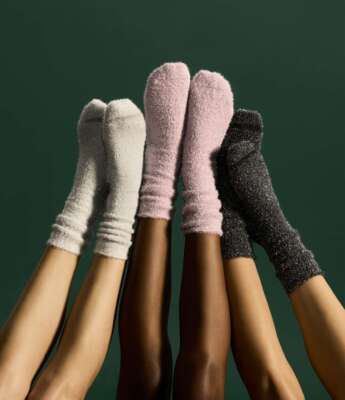
Walking barefoot on grass, sand or warm pebbles can be extremely beneficial. But indoors, especially during the colder winter months, bare feet on hard, cold floors can be more draining than refreshing. In East Asian Medicine (EAM), this simple act, standing on a cold surface, carries more weight than it might seem. That’s because of how the environment interacts with the body.
EAM has always viewed the body as part of the world around it. We’re not closed systems. The environment, its temperature, dampness, wind and seasonal patterns, moves in and around us. When our bodies are strong and in balance, we can adapt to shifts with ease. But when we are depleted, overexposed or chronically taxed, even minor environmental influences can begin to take a toll.
Cold is one of the six external factors described in classical texts. It is considered a contracting, slowing and stagnating influence. When cold enters the body, it tends to cause tightness, pain or impaired movement. It often lodges in the lower body, like the joints, bladder and reproductive organs, creating symptoms like cramping, stiffness, numbness, pain or slowed circulation. This slowing down has an effect on your physical body, as well as your mental and emotional state.
Cold is referred to as a yin pathogen and over time will harm the qi and / or yang energy within the body. While we usually think of cold entering through the back of the neck, the feet are also a common entry point. The channels that run through the feet connect to the kidneys, urinary bladder, stomach, gallbladder, liver and spleen, which are the systems responsible for vitality, digestion and hormonal regulation.
Cold can effect every organ system and physical structure in the body. Here is a short list of illnesses often associated with excess cold or weak yang qi: body pain (knee, lower back, etc.), asthma, loose stools, menstrual pain, sluggish digestion, urinary urgency, fatigue, incontinence, impotence, infertility, edema, some forms of anxiety and depression and any disease that is made worse with cold and better with application of heat. This is just a short list of illnesses that can be associated with cold.
Unlike our ancestors, many people also live relatively sedimentary lifestyles, which creates less blood flow throughout the body, but add phlegm on top of that, and now you’ve got chronic blood stasis. Additionally, this lack of movement and chronic stress leads to increased muscle stiffness as we age, especially in our feet. As the fascia, a thick band of tissue that connects the heel bone to the toes, in our feet becomes less manageable, the normal shock absorbing actions of our feet becomes stunted. Then the impact from our normal day-to-day activities, like walking and going up and down stairs, starts to be absorbed by our joints (ankles, knees, hips and all the way up the spine). As this progresses, we can end up in that place of overall body stiffness and lack of mobility that we often see in our elderly population.
In EAM, the feet are viewed as the roots of the body. The energy in the lower half of the body should be warm and dense while the upper body should be cool and clear. Asian people are very protective of their feet. They pay very close attention to keeping their feet covered and warm. And aside from keeping the feet covered, there are other ways to combat the cold, some of which date back 3000 years.
Covering your feet, as well as covering the floors with rugs or mats can be twice as protective and helps to retain warmth throughout your body. Another suggestion is keeping the core covered and warm throughout the day and night, by wearing layers or using red light therapy belts (photobiomodulation) on a regular basis. This will help to improve circulation and metabolism. Movement is another way to keep those feet warm and improve health. It can be as simple as doing some foot exercises while seated or getting up and taking a lap around the office.
In Asia, foot soaks are one of the most commonly used methods of combatting cold from entering the body. And these aren’t your ordinary foot soaks, nor are they used to specifically detox the body, although there can be some residual detoxing that occurs during the soaks. Happy Feet Tibetan Foot Soaks are specially packed tea bags containing an herbal mixture of Chinese herbs and minerals that have been shown to be particularly effective at alleviating blood stasis, wind, cold and phlegm from the channels, which improves circulation and helps relieve chronic pain.
The sheer act of placing your feet in the hot water warms your feet, aids in relaxing the fascia and dilates the vasculature in your feet and lower legs. The terpenes found in the herbs, can then carry the precious volatile oils from the herbs in through the skin and into the vascular system. As the feet soak, the effects penetrate deeper and begin improving circulation throughout the entire body, which has significant effects on multiple body systems.
If you’re someone who suffers through the colder winter months or experiences chronic pain, trying our foot soaks might be a good place to start on your healing journey. To find out more, you can schedule an in house foot soak that can be done alone or added to any treatment. The Happy Feet Tibetan Foot Soaks are also available to purchase and do at home. So what are you waiting for? Grab some warming, healing soaks at your next appointment and don’t let the cold get the best of your this winter.