

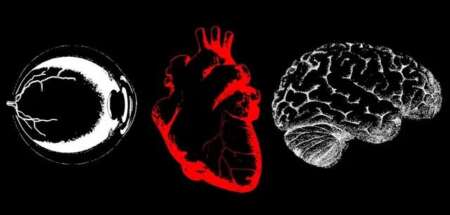
Many people rarely consider the connections within their bodies that can affect health outcomes on a daily basis. But the reality is that everything is intertwined and what is a problem in one area might be an indication that something more detrimental could be on the horizon. This is a concept that East Asian Medicine (EAM) has utilized for centuries. This is also why EAM is considered whole body medicine that focuses on healing the body as a whole, not just the individual parts.
The vascular system refers to all the blood vessels that run throughout the body. These blood vessels move oxygen and nutrients within the body and are essential for removing waste products. The vascular system is part of the cardiovascular system. The cardiovascular system is the vessels and the heart.
The visual system and the brain are closely interconnected, so health issues that affect the brain also can cause or contribute to eye disease such as age-related macular degeneration (AMD), diabetic retinopathy, glaucoma and even cataract onset.
AMD is accompanied by a general inflammatory response, similar to that observed in degenerative vascular diseases such as atherosclerosis. This is often related to endothelial dysfunction, which can result in vascular injury. Inflammation can play a key role in contributing to endothelial dysfunction. High cholesterol, for example, can result in vascular disease. Fixing problems in cholesterol metabolism could stave off the onset of macular degeneration, a leading cause of blindness. Additionally, vascular disease can increase your chances of developing other health issues and can worsen kidney disease.
High blood pressure and vascular disease can damage the small vessels that supply the brain, leading to chronic ischemia (lack of oxygen) and brain tissue damage. Studies also show that chronic illnesses like diabetes, heart disease and anemia are connected to the health of the whole body and can increase the risk of dementia or Alzheimer’s.
For many people who suffer with chronic illnesses, changes to vision can be the canary in the coal mine. The eyes are an extension of the brain and when there are vascular issues that impede circulation of blood to the brain, vision can be impacted. It can frequently start out as something minor like a floater, but without intervention, vision loss might be a real possibility.
But don’t despair. There are things we can all do to help keep our bodies functioning optimally. It may sound like a broken record, but it all goes back to lifestyle choices and habits that we all have control over.
1. Eat Healthy Foods – “You are what you eat” isn’t just a saying. Donuts, fast food, fries, fatty meats, sugary snacks, high-fat dairy products and soda do not contain the nutrients your body needs to stay healthy. Instead, eat plenty of fruits, vegetables, whole grains, lean proteins and healthy fats.
2. Exercise – We all know it…we have become too sedentary. But being active doesn’t have to be a chore. It can be as simple as going for a 20-30 minute walk after every meal, doing some daily tai chi, lifting light to moderate weights several times a week or even having a little daily dance party to your favorite music. Regular exercise helps to keep the cardiovascular system happy, which will allow for continued oxygenation to the brain and eyes.
3. Limit Screen Time – To support healthy sleep, step away from your computer and put down your phone at least one to two hours before going to bed. The blue light from screens can disrupt your natural circadian rhythm, making it harder to fall asleep. Instead, consider calming activities in the evening, such as practicing relaxation techniques or reading a physical book. These habits can help quiet your mind and relax your nervous system, setting the stage for a better night’s rest.
4. Manage Stress – Studies have shown that stress has many effects on the human nervous system and can cause structural changes in different parts of the brain, especially the hippocampus. This includes the person’s response to stress, cognition, behavior and memory. During extended periods of high stress, neuron growth decreases and the hippocampus can shrink in size. Both psychological and emotional stress, experienced over time, causes the body to stay in a “flight and fight” mode, which can result in autoimmune disease, chronic inflammation, high blood pressure, high cholesterol, cardiovascular disease, stroke, digestive issues, fertility difficulties, depression, anxiety, memory (especially spatial memory), as well as behavioral, cognitive and mood disorders.
5. Utilize Alternative Therapies – Alternative therapies like EAM, acupuncture, sound baths, vibrational acoustic therapy, massage and chiropractic care can all help in the maintenance of a healthy heart, brain and eyes. Using these modalities as preventive care can help keep your body running like a well oiled machine and hopefully keep chronic health issues at bay.
At Zen Penguin Wellness, we specialize in treating neuro-ophthalmology conditions. This means that any condition that involves the brain or neurologic system, as well as all vision issues. To find out more, give us a call or schedule an appointment online.