

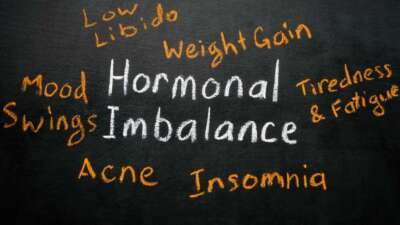
In our modern world, stress and environmental factors can upset our body’s delicate hormonal balance, causing various health problems. These imbalances affect energy, mood, reproduction and well-being. And despite many people thinking that hormonal imbalances only affect women, it is becoming much more prevalent in men too.
Hormone balance is necessary for a healthy metabolism, menstrual cycles, the sleep-wake cycle, growth and stress management. Hormones such as estrogen, progesterone and testosterone are common culprits, but insulin, T3 and T4, cortisol, adrenaline and follicle stimulating hormone can cause chronic and sometimes debilitating conditions as well. The symptoms of hormonal imbalances are vast and may include anxiety, depression, insomnia, low libido, hair loss, fatigue, weight gain, acne, hot flashes, low energy and infertility. If left untreated, hormonal imbalances can be major contributors to diseases like PCOS, diabetes, hypothyroidism / hyperthyroidism and more.
Acupuncture, one component of the larger East Asian Medical (EAM) system, can provide significant help when it comes to balancing hormones. In fact, more and more studies are coming out demonstrating how acupuncture helps in multiple areas. Acupuncture has been shown to influence the hypothalamic-pituitary-adrenal (HPA) axis, which plays a key role in hormonal regulation and stress management through regulation of the endocrine system. It improves circulation, which aids in the distribution of nutrients and hormones throughout the body. It leads to reduced stress by lowering cortisol levels, which supports overall balance. And acupuncture can help regulate sleep cycles, which is vital for hormone production and regulation.
Acupuncturists look at the body with a different lens than an allopathic doctor. We focus on bodily systems and identify imbalances within those systems. This is why it is considered whole body medicine. Instead of compartmentalizing the body, we are trained to look at all the systems both individually, while also seeing the connections to all other systems. So whether your symptoms present as digestive, respiratory, vascular, muscular, immune or hormonal, we will always treat the pattern (root cause) and not just the symptoms.
While acupuncture offers powerful benefits, it is most effective when integrated into a comprehensive approach to wellness. Eating a proper diet rich in whole, unprocessed foods and very heavily plant-based is essential for good hormonal health. Learning how to cope with stress is a big component to balancing your hormones. Incorporating practices like mediation, yoga, tai chi and qigong can all be excellent ways to deal with stress. Lastly, stay physically active. A simple 30 minute walk can help to enhance overall circulation and well-being.
By coupling regular acupuncture treatments with the aforementioned practices, many people notice that their symptoms start to decrease. However, acupuncture is not a quick fix medicine. Depending on how long the condition has lasted it may need several weeks or months of regular treatments to improve. If you know or suspect that you have a hormonal imbalance, make an appointment and see how acupuncture can help.