

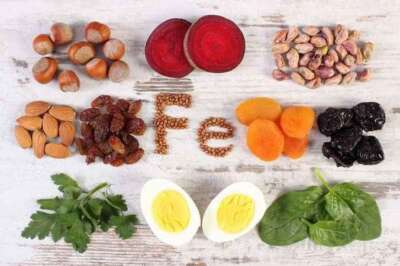
Iron deficiency anemia is defined as a blood disorder that occurs when your body lacks enough iron to produce sufficient hemoglobin. Hemoglobin is a protein found in red blood cells that carries oxygen from the lungs to the rest of the body. According to the Centers for Disease Control (CDC), 1 in 4 people in the US suffer from iron deficiency anemia, which adds up to a lot of emergency room visits each year. And most of those suffering from this condition aren’t even aware that they have it until the symptoms appear. But the good news is that it is something that can be reversed and prevented.
Iron deficiency anemia is a common health concern that can lead to symptoms such as fatigue, weakness, shortness of breath, dizziness, cold extremities and pallor. While conventional medicine often treats these conditions with iron supplements or medications, East Asian Medicine (EAM) offers a complementary approach that focuses on holistic balance and addressing the root causes of the imbalance.
In EAM, iron deficiency and anemia are often associated with a lack of qi (vital energy) and blood. Blood in EAM is crucial for nourishing and supporting the body’s organs and tissues, while qi is essential for overall vitality and function. Anemia, characterized by a deficiency of blood, can be viewed through several EAM patterns, including spleen qi deficiency, blood deficiency and kidney yin deficiency.
Here’s how these various deficiencies are diagnosed in EAM:
1. Spleen Qi Deficiency – The spleen plays a vital role in producing qi and blood from the food we eat. A deficiency in spleen qi can lead to inadequate blood production. Symptoms of spleen qi deficiency include fatigue, poor appetite, digestive issues and a pale, sallow complexion. The tongue may appear pale and swollen and the pulse may be weak and slow.
2. Blood Deficiency – This pattern refers to a direct lack of blood. Blood deficiency can be a consequence of prolonged spleen qi deficiency, significant blood loss, gut dysbiosis that prevents proper absorption, nutrient deficiencies or other imbalances. Symptoms of blood deficiency include dizziness, palpitations, dry skin and brittle hair. The tongue may be pale and slightly dry and the pulse can be thin and weak.
3. Kidney Yin Deficiency – The kidneys are involved in the production of bone marrow, which is essential for blood production. Kidney yin deficiency can lead to symptoms like lower back pain, night sweats, tinnitus and a feeling of heat. The tongue may be red and dry and the pulse may be rapid and thin.
EAM offers several tools to help balance the body and restore health. Acupuncture can help restore balance by addressing specific patterns of disharmony and supporting the body’s natural healing processes. There are acupuncture points that strengthen the spleen, nourish the blood, improve qi and blood production, nourish kidney yin and improve overall circulation. EAM herbal formulas can also be highly effective in treating iron deficiency and anemia by improving blood production and tonifying qi.
Another component to iron deficiency anemia is that most people suffering from it are also low in copper. Copper is considered an essential nutrient that is vital for numerous bodily tasks, including nervous system function, energy production, collagen formation and hemoglobin synthesis. The symptoms of inadequate copper: fatigue, weakness, cognitive problems, cold sensitivity and pale skin, are almost identical to the symptoms of iron deficiency anemia. That’s because both iron and copper deficient states can produce anemia resulting in poor oxygen carrying capacity, not to mention thyroid impairment.
Iron absorption is enhanced by copper because copper-containing enzymes like ceruloplasmin facilitate the release of iron from intestinal cells so that it can be taken up by the bloodstream. Copper is also responsible for regulating the amount of iron that enters the blood. If copper levels are too low, iron remains stored in tissues. This is what causes anemia, or lack of iron “in the blood.” Therefore, a deficiency of copper can frequently lead to an iron deficiency.
Regardless of the cause of the iron deficiency anemia, there are ways to combat it and get your body back on track. Eating foods rich in iron, copper and vitamin C can be very helpful. This includes foods like beets, dried apricots, tofu, oysters, mushrooms, nuts, seeds, raisins, dates, figs, eggs, beans, lentils, citrus fruit, kiwi, berries, broccoli and bell peppers. Vitamin C helps with the absorption of iron and all three nutrients should be consumed or supplemented daily. And by adding in regular acupuncture treatments with or without herbal formulas, you can achieve better health at a quicker pace.
If iron deficiency anemia is something you’ve been struggling with, why not give EAM a chance to help you regain your overall health? To find out more, give us a call.