

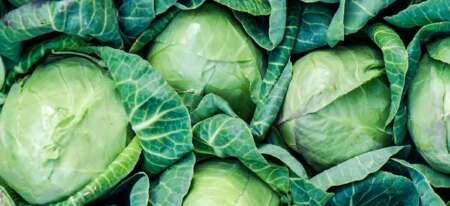
With St. Patrick’s Day right around the corner, many people find a local pub to enjoy some corned beef and cabbage. But cabbage shouldn’t just be shelved until March 17th of every year. In fact, cabbage, in all it’s varieties, is one of the healthiest leafy vegetables out there. And quite frankly, it should be consumed on a much more regular basis. Let’s dive into the world of cabbage.
Cabbage is part of the Brassica genus of vegetables, which also includes Brussels sprouts, broccoli, cauliflower and turnips. Cabbage is a low calorie, nutrient dense vegetable that is extremely versatile and can be added to many recipes. It comes in a variety of shapes and colors, including red, purple, white and green, and its leaves can be either crinkled or smooth. What makes cabbage different from other leafy greens is its density and durability. It’s heartier, stores longer and holds up well to cooking, fermenting and shredding. This vegetable has been grown around the world for thousands of years and can be found in a variety of dishes, including sauerkraut, kimchi and coleslaw. Additionally, cabbage is loaded with vitamins and minerals.
Here are some of the reasons that you should consider adding cabbage to your diet:
1. High Vitamin Content – Cabbage has a high vitamin content, making it a convenient way to get a lot of your daily vitamins. Cabbage contains vitamin B6, vitamin A, and is especially high in vitamin K and vitamin C. One cup of raw green cabbage contains 36% of the daily recommended value of vitamin C and a whopping 56% of the recommended daily value of vitamin K. Vitamin K helps maintain bone density and vitamin C promotes immune function. Vitamin C also assists in making collagen, which helps the skin and joints, as well as helping the body absorb non-heme iron that is commonly found in plants.
2. Helps Reduce Inflammation – Cabbage contains a number of antioxidants, including sulforaphane and kaempferol, which may have anti-inflammatory properties. Chronic inflammation can lead to a variety of health concerns, including inflammatory bowel disease (IBS), arthritis and cardiovascular disease. Research shows that eating cruciferous vegetables such as cabbage, reduces blood markers of inflammation.
3. Improves Digestive Health – Cabbage is high in both soluble and insoluble fiber, making it highly beneficial for digestive health. Insoluble fiber promotes digestion by promoting regular bowel movements and adding bulk to the stool, while soluble fiber helps increase the amount of healthy bacteria in the gut, which aids in immune function and the production of essential nutrients in the body. Fiber is the main fuel source for friendly gut species like Bifidobacteria and Lactobacilli. These bacteria perform important functions like protecting the immune system and producing critical nutrients like vitamins K2 and B12. So including leafy greens like cabbage in your diet can positively contribute to overall gut health.
4. Boosts Heart Health – Along with fiber, cabbage has potassium, which supports healthy cholesterol levels and blood pressure. Cabbage also has vitamin K, which is essential for blood clotting and bone health. Red cabbage in particular, contains antioxidants called anthocyanins that studies have shown can improve brain and heart health. Increasing your intake of dietary anthocyanins has also been shown to reduce blood pressure and LDL (bad) cholesterol levels. Inflammation is known to play a major role in the development of heart disease and anthocyanins’ protective effect against it is likely due to their anti-inflammatory qualities. Cabbage contains more than 36 different kinds of potent anthocyanins, making it an excellent choice for heart health.
Cabbage is generally safe for most people to eat, but there are a few exceptions. Those with a sensitive digestive system or who have irritable bowel syndrome (IBS) may want to be careful about how much they eat, as certain fibers in cabbage can trigger bloating, gas or IBS symptoms. Also people with thyroid concerns should be cautious, as large amounts of raw cruciferous vegetables may interfere with iodine uptake, though it is rare and minimized when you cook cabbage. Anyone on blood thinners should note that cabbage is high in vitamin K and may interfere with medication. But you don’t have to cut it out altogether. Instead, just enjoy it in moderation.
In Asia, cabbage is consumed regularly. And one of the easiest dishes to prepare is known as Suan La Bai Cai, also known as hot and sour cabbage. Bai Cai is Napa cabbage and is abundant during the colder winter months. Here’s how to make this healthy and delicious treat:
Ingredients –
1 medium napa cabbage
3 tablespoons Chinese black rice vinegar
3 tablespoons light soy sauce
2 teaspoons sesame oil
1 1/2 tablespoons sugar
1/2 teaspoon salt
1 tablespoon vegetable oil
3 dried red chilies, finely chopped
1 tablespoon finely chopped ginger
1/2 teaspoon Szechuan peppercorns (optional)
1 red bell pepper, diced
Directions –
Separate the cabbage leaves and cut them lengthwise. In a small bowl combine the vinegar, soy sauce, sesame oil, sugar and salt, then set aside. Heat up the vegetable oil in a wok over high heat until it is very hot. Add the chilies, ginger and Szechuan peppercorns and stir-fry for 10 seconds. Add the bell pepper and stir-fry for 30 seconds. Add the cabbage and stir-fry for two minutes, or until all the leaves are wilted. Pour the vinegar mixture into the wok and let simmer for 1 minute, then serve over steamed rice.
With so many potential health benefits, it is easy to see why cabbage deserves some time in the spotlight and some room on your plate.