

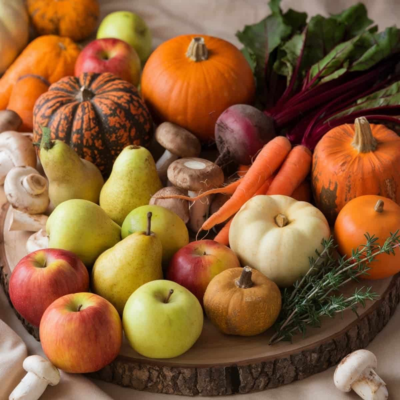
For most people, autumn signals a time of slowing down. Many people start to crave heartier, warmer foods like soups and stews, and warm drinks like tea, hot apple cider or hot chocolate. When these trends occur, it’s not just a weather-related phenomenon. It’s actually your body trying to sync up with the season in preparation for the colder months ahead. And in East Asian Medicine (EAM), the shift into fall is an important one.
Autumn is the season of metal in EAM, associated with the lungs and large intestine. These organs govern the body’s defenses (immunity), the skin and the process of elimination – both physically and emotionally. Just as trees shed their leaves, fall is a time for letting go of what is no longer needed, clearing space for what matters most. When the lung system is strong, we breathe easily, our skin glows and our immune system stands ready for the approaching colder months. But when it’s weakened, we may experience dry or itchy skin, a lingering cough, low immunity or even a sense of grief or sadness.
In EAM, autumn is all about protecting your lung qi and embracing the natural process of release and refinement. This means moisturizing and nourishing your body, fortifying your defenses and making space for the season ahead. A balanced fall lifestyle focuses on incorporating moistening foods and herbs to counteract dryness, eating warming soups and cooked meals to protect digestion, supporting the lungs with breathwork and gentle movement and letting go of excess, whether that’s clutter, old habits or unhelpful thoughts.
One of the best ways to balance your body is to eat according to the seasons. This is what our ancestors did and it served them well. To eat with the seasons, we need to both balance the natural environment and support the organ systems for that season. So, in autumn, your diet should reflect the season’s shift toward cooler, drier weather. To combat this dryness and cold, EAM recommends moistening, slightly warming foods that support the lungs, nourish the skin and strengthen digestion.
Here are some food and cooking suggestions that can help keep your body balanced through the autumn months.
Foods:
1. Pears – Pears are a classic EAM food for fall. They moisten the lungs, soothe dryness and help prevent those pesky autumn coughs. Enjoy them fresh, poached or cooked into warm compotes.
2. Root Vegetables – Autumn is the time to take the cold, raw salads of summer off the table. Carrots, sweet potatoes, turnips and beets nourish the earth and metal elements, grounding the body and supporting healthy digestion. Roast, steam or simmer them for comforting, warming meals.
3. White Foods – In EAM, white foods correspond to the lung system. This doesn’t mean white bread and vanilla ice cream though. Instead, think naturally white whole foods like daikon radish, cauliflower, onions, garlic, pears, mushrooms and lotus root. These help strengthen immunity, promote lung health and clear mild congestion.
4. Healthy Fats – Moistening foods high in healthy fats like sesame seeds, walnuts, almonds, cashews and avocados help combat dryness from the inside out. They nourish the skin, protect the intestines and support smooth elimination.
5. Warming Spices – Ginger, cinnamon, cardamom and cloves gently warm the body, support digestion, and enhance circulation — all key as the weather cools. Use them in teas, soups or roasted dishes.
In EAM, herbs aren’t just used in formulas, they’re part of everyday cooking, too. In the fall, we reach for herbs that help protect the lungs, moisten dryness and build resilience for the cooler, drier months ahead. These warming, aromatic additions can enhance both the flavor of your meals and your seasonal wellness.
Culinary Herbs:
1. Ginger (Sheng Jiang) – Fresh ginger is warming and aids digestion, making it perfect for fall’s transition. Use it in teas, broths and stir-fries to keep your qi flowing smoothly.
2. Asian Pear + Goji Berries (Gou Qi Zi) – These two classic herbs support lung qi and nourish fluids. Simmer them together for a moistening, immune-supportive dessert or tea.
3. Astragalus (Huang Qi) -Known for its ability to tonify our qi, astragalus helps strengthen immunity and protect against seasonal colds. Add slices to soups or add a dose of liquid extract to teas.
As the weather cools, it’s time to shift away from raw foods and embrace warm, nourishing meals. Gentle cooking methods like steaming, simmering, roasting and stewing help protect digestion and prevent internal dryness.
Cooking Methods:
1. Steaming – Steaming keeps foods moist and easy to digest. It also adds moisture to the air in your home which can help hydrate your skin and lungs.
2. Simmering – Simmering soups and broths is ideal for warming and hydrating.
3. Roasting – Roasting seasonal root veggies brings out their natural sweetness and grounding energy.
4. Avoid Cold Foods – Avoid excessive raw, cold or overly greasy foods that can weaken digestion and lead to dampness or dryness imbalances. If you do have a salad, try to balance it out with hot tea or another warming dish.
If you’re someone who is frequently plagued with dry skin or a dry cough, especially during the fall, the aforementioned tips are a great way to start adjusting your body and helping it heal. Adding in an occasional acupuncture treatment can help as well. Give East Asian Medicine a chance and you might be pleasantly surprised.