

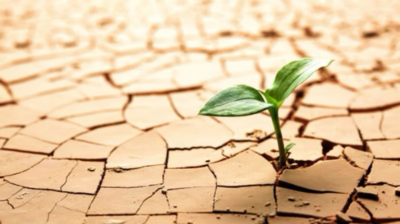
East Asian Medicine (EAM) is founded on the principles of restoring balance and harmony within the body, through the dynamic interplay of yin and yang energies. Disruptions in the equilibrium of yin and yang are believed to give rise to various syndromes. The focus here is on the pattern of yin deficiency, that frequently appears in women, the aging and those dealing with chronic diseases. Let’s dive into yin deficiency.
Yin helps moisten and cool the body. Think of yin as the fluid components that make up your body. Yin depletion develops slowly over several years, even times without symptoms until it is significantly drained. Yin deficiency is a lack of nourishment in the body which affects a person’s ability to cool down, calm down, sleep, digest and much more. This yin depletion disrupts harmony in the body.
Deficiency of yin often involves the consumption of bodily fluids. Common manifestations include night sweats, dry mouth and skin, a sensation of heat, constipation, palpitation, restlessness and insomnia. The most common symptom of yin deficiency is dryness. Signs of yin deficiency become more obvious during the night because the yin is the most active at this time. As yin provides the substance and foundation for bodily fluids, its deficiency can impact multiple organ systems, giving rise to a range of clinical presentations.
The causes of yin deficiency are numerous, but here are a few of the more common ones – overworking for extended periods of time, lack of sleep, chronic diseases, excessive sexual activity, overeating dry and spicy foods, excessive exercising and chronic emotional stress. Fortunately, all of these issues can be addressed and corrected. And while working on correcting the imbalances that we externally cause, regular acupuncture treatments and dietary changes can help balance the body internally.
Lifestyle changes can make a big difference in how your body retains and utilizes yin. First off, hydrate from the inside out…water, water, water…especially coconut water that is full of electrolytes. Next, take time off, even if it’s only for a 20 minute walk. Nature is very healing and allowing your body some down time can make significant differences in how your body is balanced. Getting adequate sleep is another lifestyle issue that really flips the needle regarding yin replenishment. Start working on going to sleep and getting up at the same time every day and allowing for at least 7-8 hours of sleep time. Lastly, throw in some gentle exercise to keep the body fluid. Practices like tai chi, qigong or yin yoga are all great ways to balance your body.
But of all the ways to keep your yin happy, diet is probably the most important. There are specific foods that nourish and replenish yin and they should be included in your diet on a daily basis. Here is a sample of some of these yin nourishing foods: rice, oats, quinoa, barley, zucchini, cucumber, asparagus, broccoli, spinach, bok choy, eggplant, mushrooms, pears, apples, berries, grapes, watermelon (when in season), tofu, eggs, sesame seeds, chia seeds, avocadoes, beans, yams, potatoes, coconut milk, flax seeds, almonds and walnuts. As with any food, moderation is important. If you are someone who is dealing with gut issues, too many yin tonifying foods can cause additional problems. So just be careful.
In most cases of yin deficiency, the body lacks moisture and the cooling and nurturing aspects that it needs for balance. Building yin takes time and it may take several weeks to feel a drastic difference. It is important to be consistent with your dietary changes and to add more time to rest in your daily routine. And if you’re able to add in regular acupuncture treatments, the changes can start after the first session. It will still take time, but keeping your yin tank full is something we should all be striving for on a daily basis.