

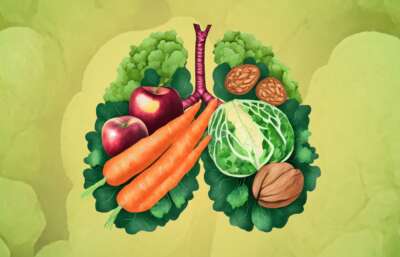
Educating patients about nutrition is an integral part of East Asian Medicine (EAM). What we eat plays a vital role in our overall health and how our body functions. It’s also important to understand how eating with the seasons factors into all of this. During the winter months, eating foods that support our lungs, as well as our digestion are vital. And here are some foods that everyone should consider utilizing when the weather is cold and dry.
Apples
We’ve all heard the old saying, “An apple a day keeps the doctor away”. Turns out there is some truth to this. This fruit is packed with nutrition for lung and digestive health. Apples enter the lung, large intestine, stomach, spleen and heart channels. They have the flavors of sweet and sour, depending on the variety. Apples tonify or boost qi and nourish yin in the body. They are also great for clearing heat and eliminating toxins. Baked apples with spices such as nutmeg and cinnamon can make a phenomenal dish to promote lung and digestive health, as well as warm the body and promote blood circulation.
Carrots
With their neutral temperature, carrots are sweet and tonify the qi. They enter the lung, spleen and liver channels and have the actions of circulating and tonifying qi, clearing heat, draining dampness and eliminating toxins. This slightly sweet vegetable can be eaten raw, but during the winter months it should be gently baked with spices and added to soups, which makes it an incredibly versatile food for deep nourishment during the winter months.
Onions
Onions are another excellent winter food and can be used raw or cooked. In EAM, raw onions tend to be heating and stimulating, while cooked onions tend to be more tonifying and nourishing due to the sweet flavor. Overall, onions are warming and enter the lung, large intestine, stomach and liver channels. Onions have a pungent / sweet flavor and help stimulate the circulation of qi and blood, disperse cold, clear dampness and resolve phlegm. This food can be easily added to salads and soups and it can also be used to make an extremely effective topical poultice for lasting deep-seated coughs associated with colds.
Cabbage
Neutral in temperature, cabbage is sweet and pungent and enters the lung, large intestine and stomach channels. Its properties include circulating the qi, clearing heat, stopping coughs, clearing toxins and moistening the intestines. Cabbage comes in many varieties and can be added to salads, soups and other recipes.
Garlic
Known as Da Suan in EAM, garlic is possibly the most important food to have in the kitchen during the winter months. With its strong warming and dispersing characteristics, garlic moves qi and blood, warms the body, clears damp, eliminates toxins, disperses wind and resolves phlegm. Hot in nature, garlic enters the lung, stomach, spleen, heart and liver channels. Its flavor can range from sweet to salty to acrid, depending upon the preparation. Garlic is incredibly effective for protecting the lungs and resolving almost any bacterial or viral infection, particularly when eaten raw sprinkled on food. Depending upon the constitution of the patient, garlic can be taken daily with meals or reserved for acute health challenges.
Swiss Chard
Naturally cooling, chard is sweet in flavor and enters the lung, large intestine, stomach and spleen channels. Chard clears heat and eliminates toxins and can be steamed or sauteed, as well as minced / chopped and added to soups.
Walnuts
Known as Hu Tao Ren in EAM, walnuts are warm in temperature and enter the lung, large intestine, small intestine and kidney channels. A deeply nourishing food, walnuts have a slightly sweet flavor. They help to nourish the qi, warm the kidney yang, warm the lungs, moisten dryness, resolve phlegm and supplement the kidney jing (essence). This wide range of benefits is particularly important during the cold winter months when patients are exposed to the drying effects of interior environmental heating, which can often dry out the lungs and mucus membranes. Walnuts can easily be added to soups, salads, pasta or just eaten as a snack.
Sweet Potatoes
Sweet potatoes are a wonderful source of nourishment. They have a neutral temperature, enter the large intestine, stomach, spleen and kidney channels, and deeply nourish qi, blood and yin, making sweet potatoes a unique and important food. Adding cinnamon to a sweet potato dish helps warm the body and move the blood. Combining carrots, sweet potatoes, cinnamon and a pinch of cayenne pepper makes a wonderful warming tonic for cultivating deep health.
Acupuncture and herbal medicine can provide powerful winter support. However, nutrition is the foundation for deep vitality. Emphasizing warming and nourishing foods that enter the lung, large intestine, spleen, stomach and liver channels also helps the body prepare for the spring season. Utilizing EAM nutrition is just one more piece of the puzzle to keeping your body functioning optimally all year long.