

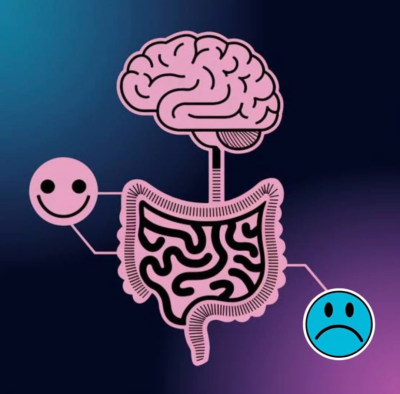
Many people think that their moods are determined by their brains. But the truth is that the gut is playing a much larger role in how most people feel. And science is starting to figure out what East Asian Medicine has understood for centuries. This connection is known as the gut-brain axis and it refers to the constant communication between your digestive system and your central nervous system. Your gut and your brain are always talking to each other, which can be both good and bad depending on how you nourish your body, both mentally and physically.
The gut-brain axis is the communication network between your digestive tract, brain, nervous system, immune system, hormones and gut microbiome. Your gut can send signals to your brain through several pathways – the vagus nerve, inflammatory signals, stress hormones, neurotransmitters, as well as gut bacteria and their byproducts. This is one reason digestive symptoms and mood symptoms often travel together. Many people notice that when their digestion is off, their mood feels off too. Bloating, constipation, loose stools, nausea, acid reflux and abdominal discomfort can all show up alongside anxiety, irritability, depression or brain fog.
Another interesting fact about the gut-brain axis is that it is bidirectional, meaning signals can be sent both to and from the brain or the gut. This involves interaction between the Enteric Nervous System (ENS), often called the “second brain” and the Central Nervous System (CNS). This communication goes beyond simple biochemistry, it includes electrical signals and hormonal pathways that impact both physical health and emotional well-being. The ENS regulates digestive function and contains more than half of the body’s total neurons. Research suggests that the gut significantly influences brain function in areas such as mood regulation, cognitive processing and stress response.
Because of this bidirectional communication, the integrity of our digestive system can frequently impact the information our brain receives and sends back to the gut. Therefore, poor mental health may be a symptom of imbalances in the gut-brain axis. More than 100 million nerve cells line our gastrointestinal tract, working independently of our brains. We know that the gut-brain axis is a strong communication mechanism because anxiety and mood changes are correlated with irritable bowel syndrome and functional bowel problems, such as constipation, diarrhea, bloating, pain and stomach upset.
Our mood can also be impacted by poor vagal tone. The vagus nerve connects our digestive system to our brain and is the major nerve in our ‘rest and digest’ nervous system. With busy and stressful lifestyles regularly triggering our ‘fight or flight’ response, this vagus nerve may not be functioning well, which can contribute to depression, anxiety, worry and indigestion.
The immune system also plays a role in this dialogue by releasing inflammatory chemicals that can affect brain function. Chronic inflammation has been associated with several mental health disorders, further confirming the importance of gut health in overall psychological resilience
Inside your digestive tract lives a vast ecosystem of bacteria, fungi and other microorganisms known as the gut microbiome. A healthy microbiome helps with digestion, nutrient absorption, immune function, inflammation regulation and even mood support. When the microbiome becomes imbalanced, known as gut dysbiosis, research suggests it can contribute to anxiety, depression, fatigue, inflammation and stress sensitivity. This does not mean gut health is the only cause of mood disorders. Mental health is complex and can involve genetics, trauma, hormones, sleep, inflammation, life circumstances, medication and many other factors. But at least gut health is now being considered an important piece of the puzzle in Western medicine.
From the East Asian Medicine (EAM) perspective, the gut-brain axis is explained differently. According to EAM theory, the spleen is responsible for transforming food and fluids into qi (vital energy) and blood, while the stomach is responsible for the initial digestion and “rotting and ripening” of food. If the spleen is weak or if there is an imbalance in the stomach, it can lead to digestive issues like bloating, gas and “food stagnation”. The spleen and stomach are directly linked to the mental state. A “weak” spleen can lead to anxiousness, worry and a sense of being “mentally drained” due to its inability to nourish the mind with sufficient qi and blood or vice versa. Overthinking, rumination, stress and many more can also weaken the spleen. When there is digestive “stagnation”, it can cause a build-up of dampness or phlegm, which affects the mind, leading to symptoms such as foggy thinking, feeling blue or even cognitive decline. This aligns with the Western understanding of how digestive distress can lead to mental health issues.
The Liver in EAM is associated with the smooth flow of qi and is closely linked to emotions, particularly anger and frustration. The gallbladder is thought to assist the liver in decision-making and planning. Stagnant liver qi, often caused by stress, can lead to digestive disturbances such as bloating or constipation, as well as mental symptoms like irritability, mood swings or a tendency to become easily frustrated. In Western terms, this aligns with how chronic stress and emotional turmoil can impact both gut health and mood. The gallbladder’s role in indecisiveness and emotional regulation ties into the Western understanding of how gut health impacts cognitive functions such as decision-making, as well as emotional balance.
Your gut may be contributing to mood changes if you notice some of these symptoms:
- Anxiety that worsens after eating
- Low mood with bloating or constipation
- Irritability when digestion feels sluggish
- Brain fog after certain foods
- Sugar cravings when stressed
- Sleep issues alongside digestive symptoms
- Feeling “tired but wired”
- Loose stools or nausea during emotional stress
But don’t fear. There are always options for treating disruptions to the gut-brain axis. Acupuncture is one such option. In EAM, the digestive system and emotional health have always been closely connected and understood. The body is not separated into different compartments or systems. The gut, nervous system, sleep, hormones, immune system and emotions are all part of one larger, interconnected system. Therefore, regulating the nervous system frequently influences digestion, inflammation and mood.
Acupuncture can support the gut-brain axis by helping calm the stress response, regulating the nervous system, improving vagal tone, supporting digestion and motility, reducing inflammation, easing stress and anxiety and improving sleep. Frequently patients that come in for digestive issues also notice their mood improves. Others come in for stress and notice their digestion settles. That is the gut-brain axis in action.
Here’s a breakdown of how acupuncture treatments balance the gut-brain axis:
- Acupuncture activates the parasympathetic nervous system (rest‑and‑digest mode), reducing stress and calming the mind. This directly improves digestion and emotional stability.
- Specific acupuncture points enhance stomach and intestinal motility, reduce inflammation, and improve nutrient absorption.
- Acupuncture helps regulate serotonin, dopamine and endorphins, improving mood while supporting gut health.
- By improving blood flow and immune regulation, acupuncture reduces intestinal inflammation linked to anxiety and depression.
- Regular acupuncture sessions positively influence gut bacteria, supporting long‑term digestive and mental wellness.
There are other ways to support the gut-brain axis and balance your moods. One of the best ways is to eat a diet rich in fiber, fruits, vegetables and whole foods. Physical activity, especially outdoors, is another great way to help balance the body. Simply going for a walk in nature or practicing some qigong or tai chi can all be very helpful. Getting proper sleep and learning to manage stress also play significant roles in our overall health.
As you can see, the gut–brain connection plays a vital role in general health and our quality of life. Acupuncture and EAM offer powerful, natural solutions by addressing the root causes of imbalances rather than just managing symptoms. By calming the nervous system, improving digestive function and supporting mental well‑being, acupuncture helps restore harmony between the gut and the brain. If you experience ongoing digestive problems along with stress, anxiety or mood disturbances, acupuncture may be an effective and holistic path toward lasting health and balance.